IDEAS / ILLUSTRATIVE CONCEPT
An independent gear guide
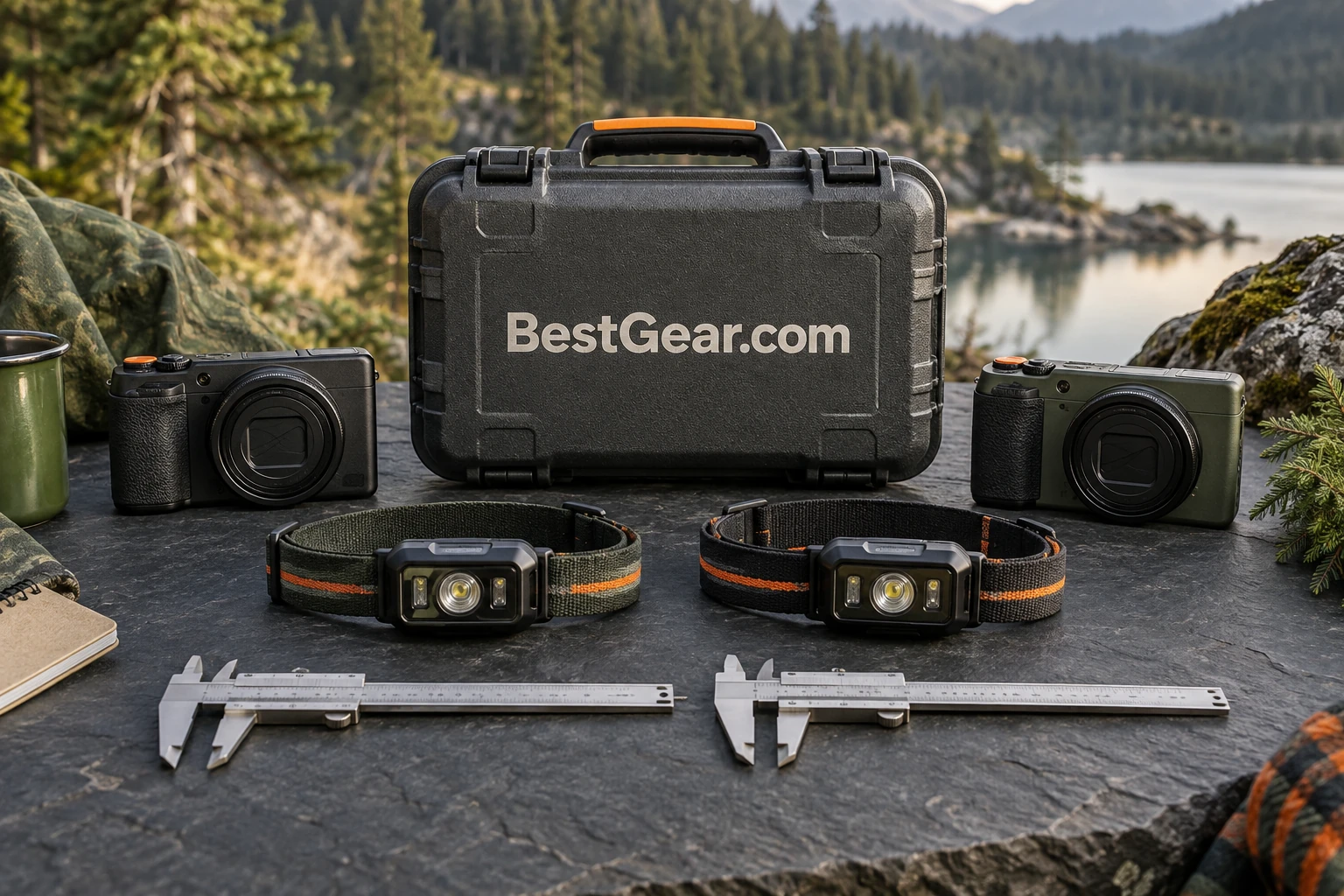
A useful equipment publisher starts with a reader who has a decision to make. Someone choosing a first daypack needs to know what fits, how it carries and which compromises matter on their actual walk. A page that simply ranks ten bags leaves much of that work undone. BestGear.com could become a home for comparisons that explain the decision as carefully as the recommendation. This is an illustrative business concept for a future owner of the domain.
Start with one manageable category
I would begin with an equipment category that a small editorial team can examine consistently. Daypacks, compact organizers or insulated bottles offer different possible starting points. Pick one, define the intended reader and specify the use conditions before gathering products. A commuter carrying a laptop and lunch asks different questions from a walker carrying rain layers and water. Mixing those needs into a single score can hide the differences that should drive the purchase.
The first offer could be a comparison of four or five products, supported by individual notes and a short buyer checklist. Keep the initial scope narrow enough to revisit. A catalog of hundreds of summaries creates an update obligation before the method has earned reader trust. A small collection of carefully documented comparisons gives the editor something concrete to improve when readers ask questions that the first draft missed.
Make the method visible
For a daypack comparison, record the sample size, stated capacity, measured empty weight, carried load and duration of use. Keep the load consistent where the question requires a fair comparison. Describe the person trying the pack only in the ways relevant to fit, with their permission. Show how the straps adjust and whether the contents remain accessible when the bag is full. Photographs should demonstrate observations rather than decorate a verdict.
Separate three kinds of information on the page: manufacturer specifications, the team's observations and editorial judgment. A published volume is different from a measured usable compartment, and a preference for a particular zipper arrangement is not an objective defect. A reader should be able to trace the conclusion back to its evidence. When an item has only been researched, label the coverage accordingly instead of borrowing the authority of a hands-on test.
Build a comparison a reader can use
Imagine a first guide for people who commute by train and take a short walk at the weekend. The page could begin with a quick decision table: laptop protection, access while standing, space for a jacket and comfort under the chosen load. The individual reviews would then explain each tradeoff. One bag may be easier to organize while another leaves more flexible space. Neither needs to win every row for the guide to be useful.
Finish each recommendation with its limits. State who should consider a different option, what remains untested and whether a newer version may change the conclusion. Publish a correction route and an update date. If a manufacturer revises a strap or fabric, an editor can flag the change while arranging a fresh sample. This is more helpful than quietly attaching an old verdict to a new product listing.
Set commercial boundaries early
A publisher needs a plan for paying for samples, photography, editing and ongoing checks. Affiliate links, sponsorship or reader support are possible models, but each changes the commercial context that readers need to understand. The FTC's endorsement guidance explains disclosure of material connections, including affiliate relationships. A future operator should review the guidance for the actual business model and market before publishing monetized recommendations.
Operationally, keep a record of how each sample arrived and whether it must be returned. Give editors a written rule for manufacturer fact checks: suppliers may correct a specification, but they should not receive an undisclosed right to choose the verdict. Make corrections visible when they affect a recommendation. Even a small publication benefits from knowing who can approve a change and where the supporting evidence is stored.
Find readers through a useful first answer
Distribution can begin with a specific question that is underserved by broad buying lists. A guide to accessing a commuter pack on a crowded platform has a clearer audience than another general collection of popular bags. Publish original photographs, a compact comparison table and a printable checklist that readers can bring to a shop. Invite relevant community moderators to review the resource before sharing it, and respect their rules about promotion.
Reader questions can then shape the second article. If several people ask whether a pack fits a particular laptop format, add measurements and an explanation of the sleeve opening. Do not expand into another category merely to fill a publishing calendar. The editorial advantage comes from answering the next useful question with enough detail that a reader can act on it.
A practical first milestone
Before commissioning a broad website, write one category brief, one testing rubric and one complete sample review. Ask several prospective readers to choose between two products using the draft. Notice where they still need outside information. Those gaps are an efficient editing agenda. Budget time for rechecks, replacement samples and corrections alongside the initial launch work.
BestGear.com gives this concept a direct editorial address, with room to add adjacent categories after the first method works. Acquiring the domain would be a separate step from building the publication, hiring contributors or arranging commercial relationships. An inquiry can explain the proposed readership, the starting category and whether the interest is an outright purchase or a partnership proposal.